Twin-Tip vs Directional Kiteboard: Which Board Should You Choose?
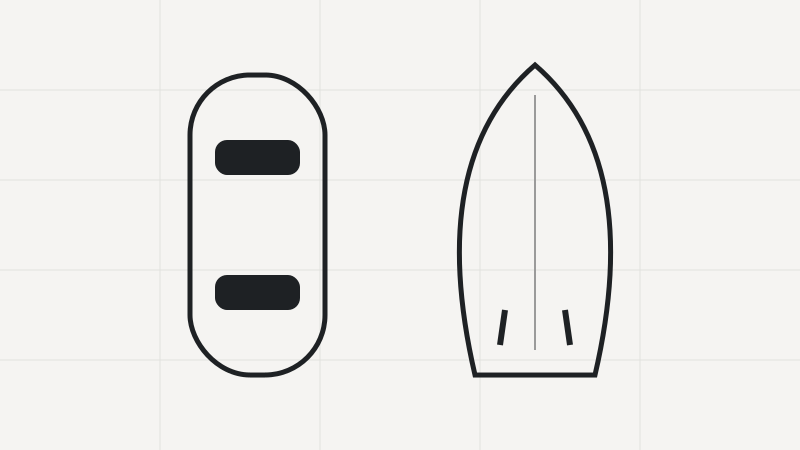
A twin-tip and a directional kiteboard can both be part of a kitesurfer's setup, but they suit different riding goals. Before comparing brands, decide whether you want to practice general freeriding, develop wave skills or explore a different feeling under your feet.
For your first purchase, start with the type of board you have learned on and discuss the next step with your instructor. Buying for an imagined future session can leave you with equipment that does not suit the riding you actually do.
What is a twin-tip kiteboard?
A twin-tip is designed to be ridden in either direction without turning the board nose-first each time. Riders typically use foot straps and pads. This makes it a familiar option in beginner lessons and freeride sessions.
That does not make every twin-tip interchangeable. Dimensions, shape and construction vary. A board marketed for one discipline may feel very different from the school board that helped you learn your first waterstarts.
If you are comfortable on a particular rental board, note its model, year and size. Those details give a shop a useful starting point; “the blue board I used on holiday” does not.
What is a directional kiteboard?
A directional board has a distinct nose and tail and is intended to travel nose-first. Kite surfboards are one example. Riders may use straps or ride strapless, depending on the board and their goals.
Directional riding introduces different turning skills and board handling. IKO's overview of directional boards describes their appeal for wave riding and recommends instruction when starting this discipline.
A directional is not simply a more advanced twin-tip. It is a different choice, and many riders keep both rather than replacing one with the other.
Choose around the sessions you actually ride
Think about your usual spot and the skills you want to practice over the next few months. A useful buying brief might be: “I ride a twin-tip at a choppy local spot, can return upwind, and want comfortable freeriding.” That gives more direction than asking for the best board.
For a move toward waves, tell the instructor what wave experience you already have and whether you have tried a directional. For general progression on your existing setup, our beginner tricks guide offers ideas to discuss during coaching.
Do not choose size from length alone
Two boards with similar lengths can have different widths, outlines and intended uses. Rider weight, experience and conditions also matter. Use the manufacturer's model-specific sizing guidance, then discuss it with a shop or instructor familiar with your spot.
Avoid copying another rider's size just because you are a similar height. If possible, demo the exact size you are considering rather than treating a different size in the same range as identical.
Make a demo session useful
Choose a supervised demo appropriate to your ability and change one thing at a time. Trying a new board alongside an unfamiliar kite makes it harder to identify what caused a difference.
Afterward, write a few notes:
- Did the foot straps and pads fit comfortably?
- Was it manageable in the conditions you normally ride?
- What felt easier or harder than your current board?
- Did the instructor notice a setup adjustment worth trying?
- Would you choose it for an ordinary session, not just a future holiday?
You do not need to assess every technical specification yourself. A clear account of your experience is more useful than repeating marketing terminology.
Compare the complete purchase
Check whether the listed price includes pads, straps, fins and a handle where applicable. For a used board, request clear photographs, ask about repairs and have uncertain damage assessed before buying.
Write down the complete cost with accessories and transport. A lower advertised price may stop looking attractive once missing parts are included. Our kitesurfing equipment guide places the board purchase within a full setup budget.
Kiteboard choice FAQ
Do I need a directional to be a good kitesurfer?
No. Choose equipment for the discipline you want to practice. There is plenty to learn on a twin-tip without changing board type.
Can I keep both types?
Yes. Keeping a familiar board also means you can practice a new discipline without making every session depend on it.
Should I buy before taking lessons?
It is usually more informative to try the school's equipment first and ask for a recommendation based on your actual riding. That makes the purchase a response to experience rather than a guess.